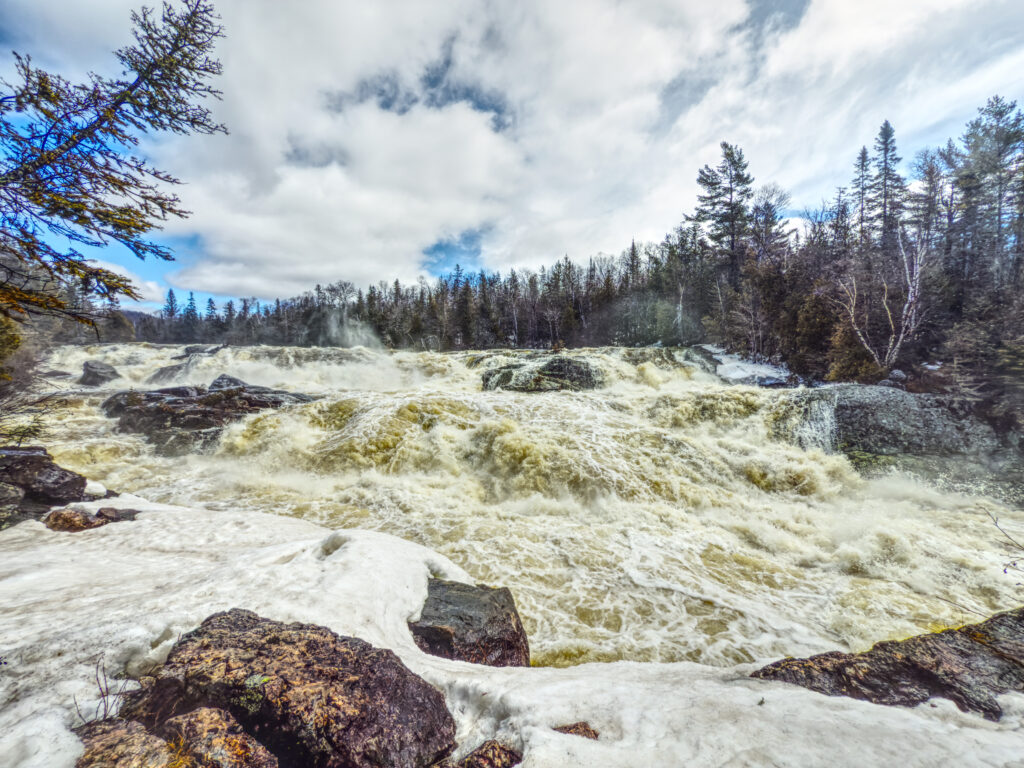
Deep within Lake Superior Provincial Park, the sound of rushing water leads the way to one of the park’s most remarkable trails — Pinguisibi Trail, the Sand River Falls Trail.
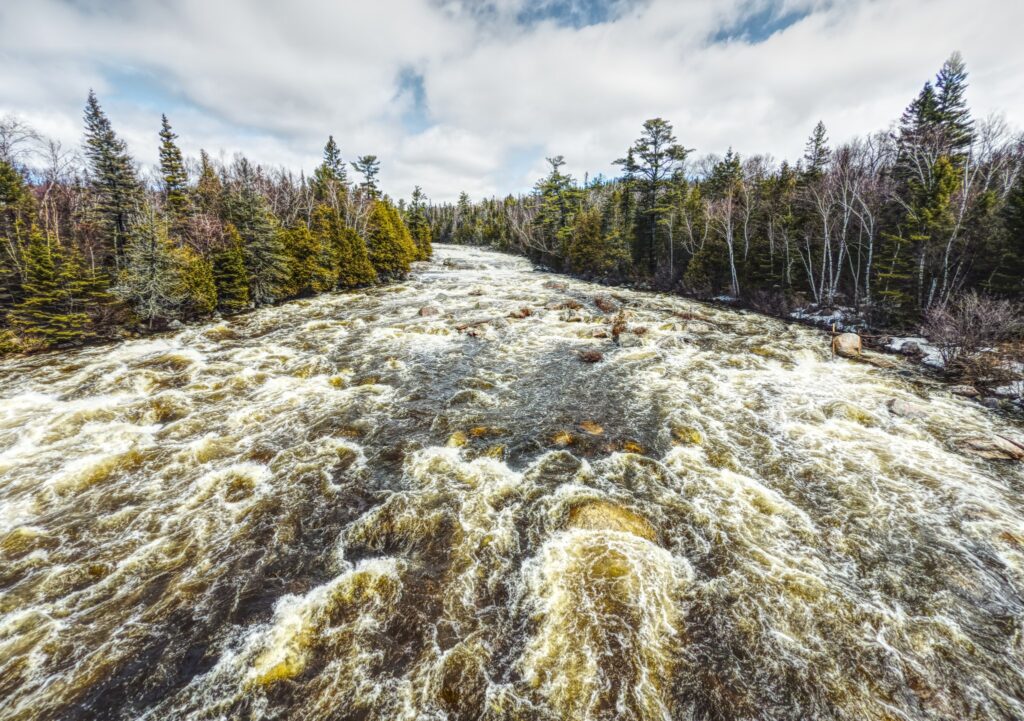
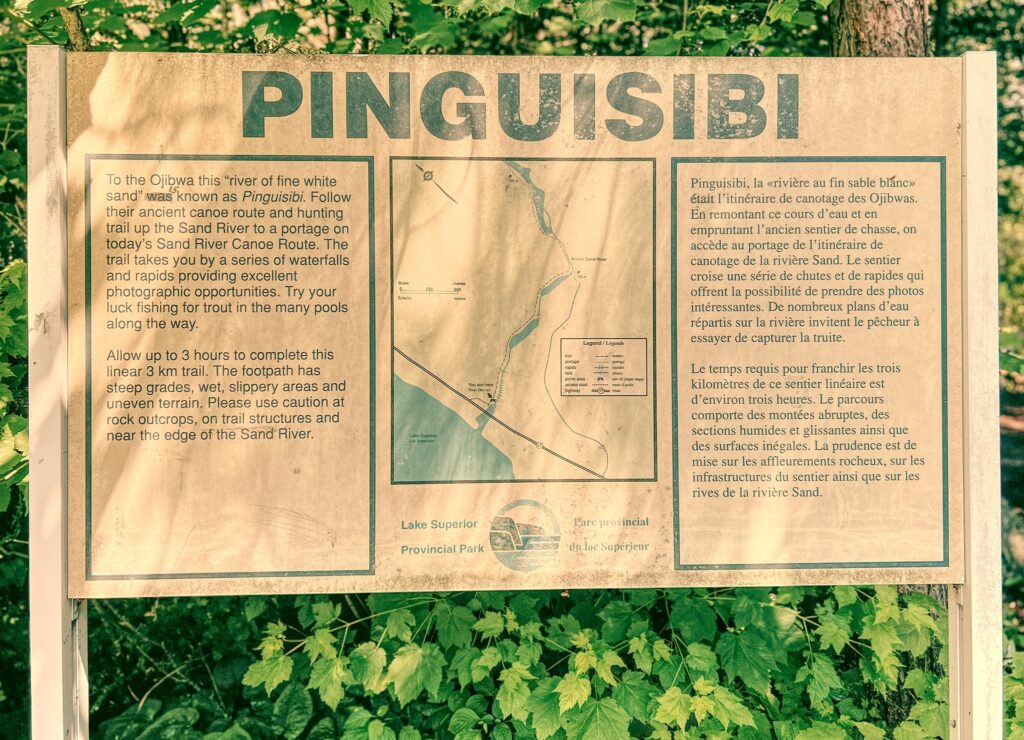
The Pinguisibi Trail, known to many as the Sand River Falls Trail, follows one of Lake Superior Provincial Park’s most dynamic waterways — a chain of waterfalls and rapids cutting through ancient stone before spilling into the great lake itself. The name Pinguisibi comes from the Anishinaabe word for “river of fine white sand,” a reference to the sandy delta where the river meets Lake Superior.
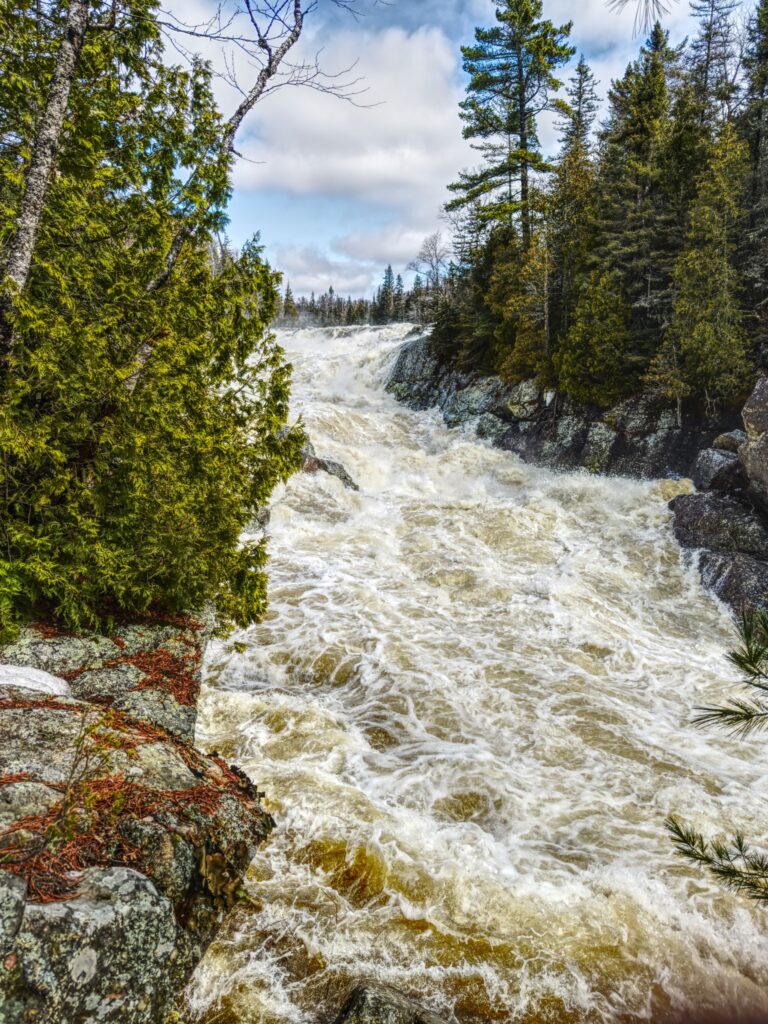
The Sand River flows through a landscape shaped over a billion years. Its rocky channel formed during the Midcontinent Rift, when molten rock once split the heart of North America. Over time, glaciers carved deep valleys, and the water we see today continues to polish and shape the stone, fall by fall.
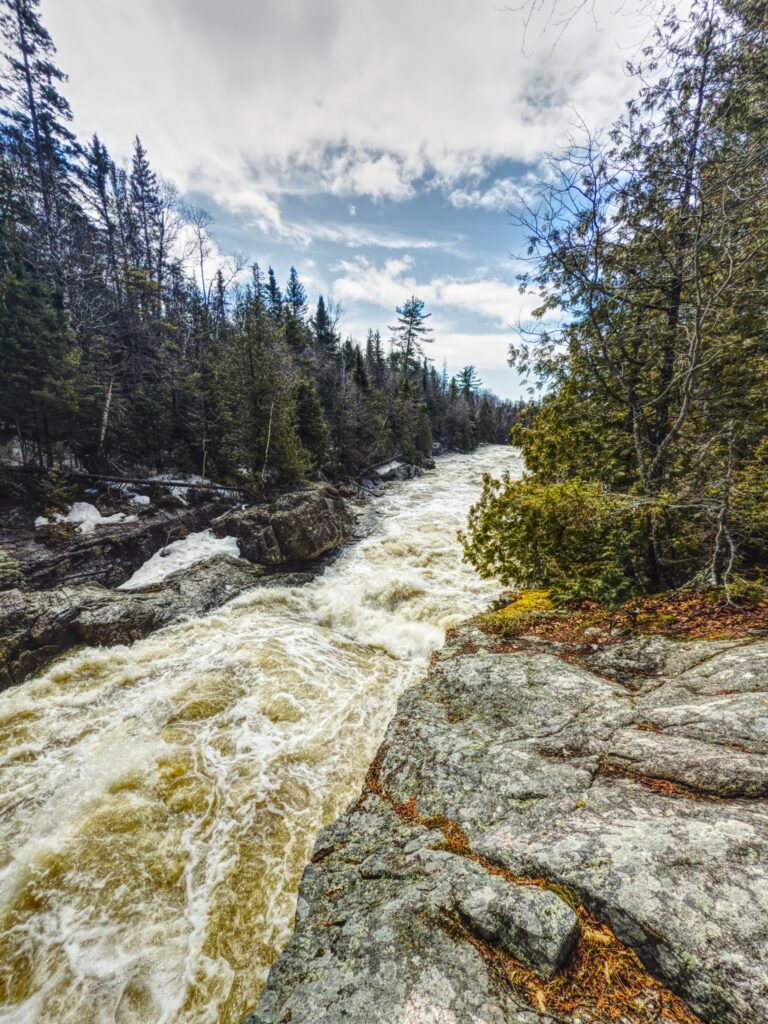
For thousands of years, the Pinguisibi was part of an Anishinaabe travel network connecting inland lakes with Gichigami, the Great Lake. Portage trails once ran beside these same waterfalls, where travelers carried canoes through mist and forest. Centuries later, voyageurs and fur traders used the same routes, following the river as part of their inland passage between Superior’s trading posts.
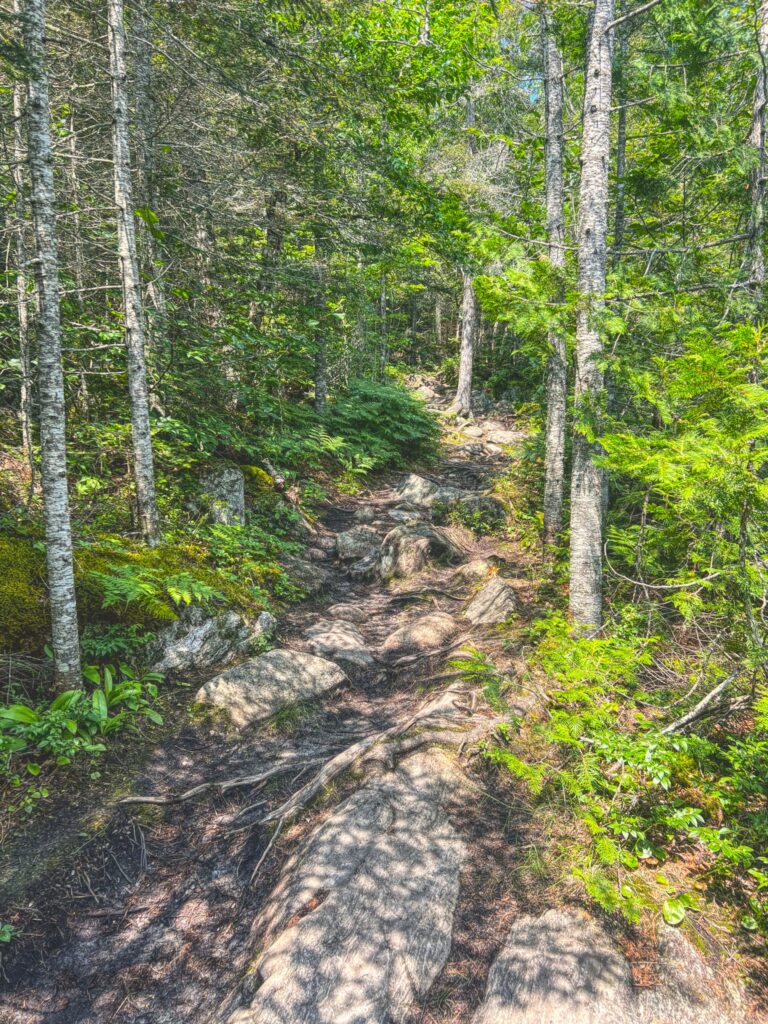
Today’s 6-kilometre Pinguisibi Trail traces that historic corridor, climbing alongside cascades that range from quiet pools to roaring torrents. In spring, the river surges with meltwater; by midsummer, it reveals smooth, sculpted rock and clear, cold eddies. Wildlife thrives here — moose, otters, and black bears often appear along the forested banks.
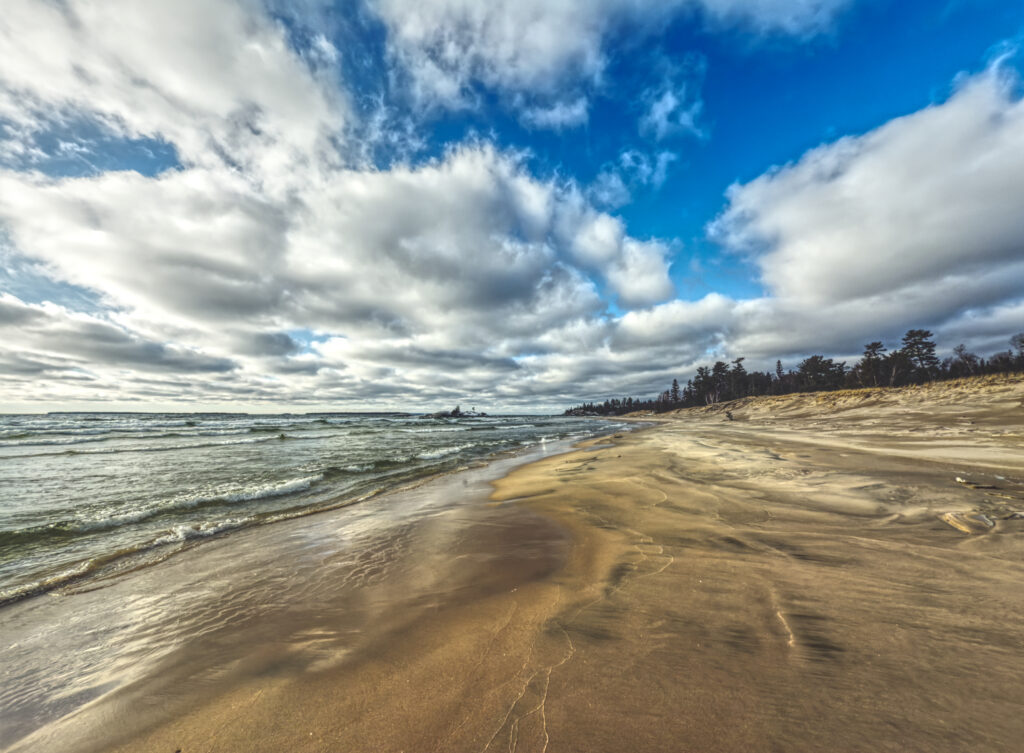
The trail extends downstream to where the river slows and spreads into Lake Superior — a broad, windswept shore where sand meets the open horizon. Standing here, with the roar of water behind and the vast lake ahead, it’s easy to feel the depth of this place: the weight of time, the endurance of stone, and the long human story carried by the river’s voice.